NASA missions

Missions shaping the next era of discovery

Track the spacecraft and observatories exploring our solar system and beyond, from active science operations to launches still on the horizon.

Nancy Grace Roman Space Telescope
Upcoming
Astrophysics

Nancy Grace Roman Space Telescope

NET Aug 30, 2026

Probe dark energy, dark matter, and survey exoplanets

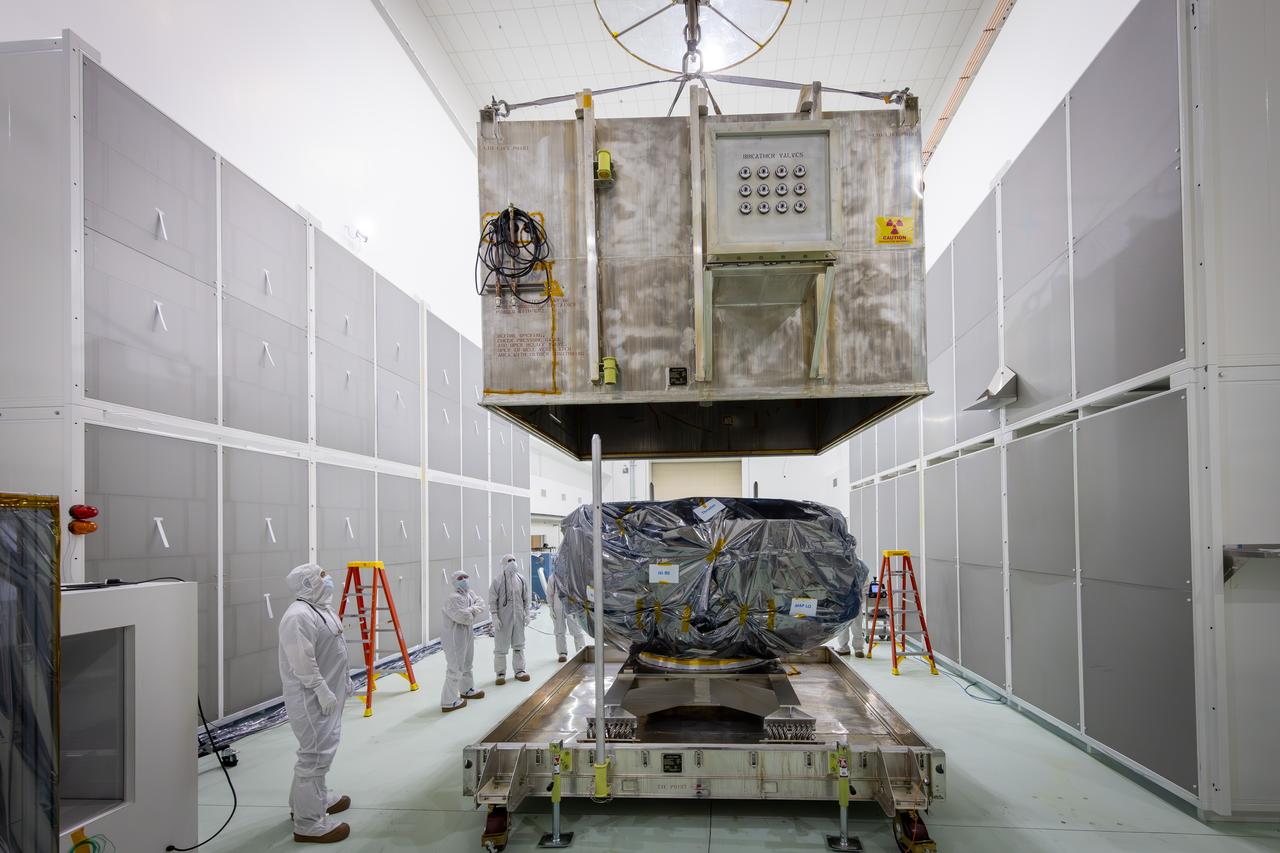
NASA's next flagship observatory pairs a Hubble class 2.4 meter mirror with a Wide Field Instrument offering a field of view at least 100 times larger than Hubble's, surveying the sky up to 1,000 times faster. A Coronagraph Instrument will directly image faint exoplanets and planet forming disks.

Artemis II
Completed
Lunar Exploration

Artemis II

Apr 1 to 10, 2026

First crewed Orion flight around the Moon

The first crewed mission around the Moon in over 50 years. Astronauts Reid Wiseman, Victor Glover, Christina Koch, and CSA's Jeremy Hansen completed a lunar flyby, setting a human distance record of 252,756 miles before splashing down in the Pacific on April 10, 2026.

Artemis III
Upcoming
Lunar Exploration

Artemis III

Targeted 2027

Return humans to the lunar surface near the South Pole

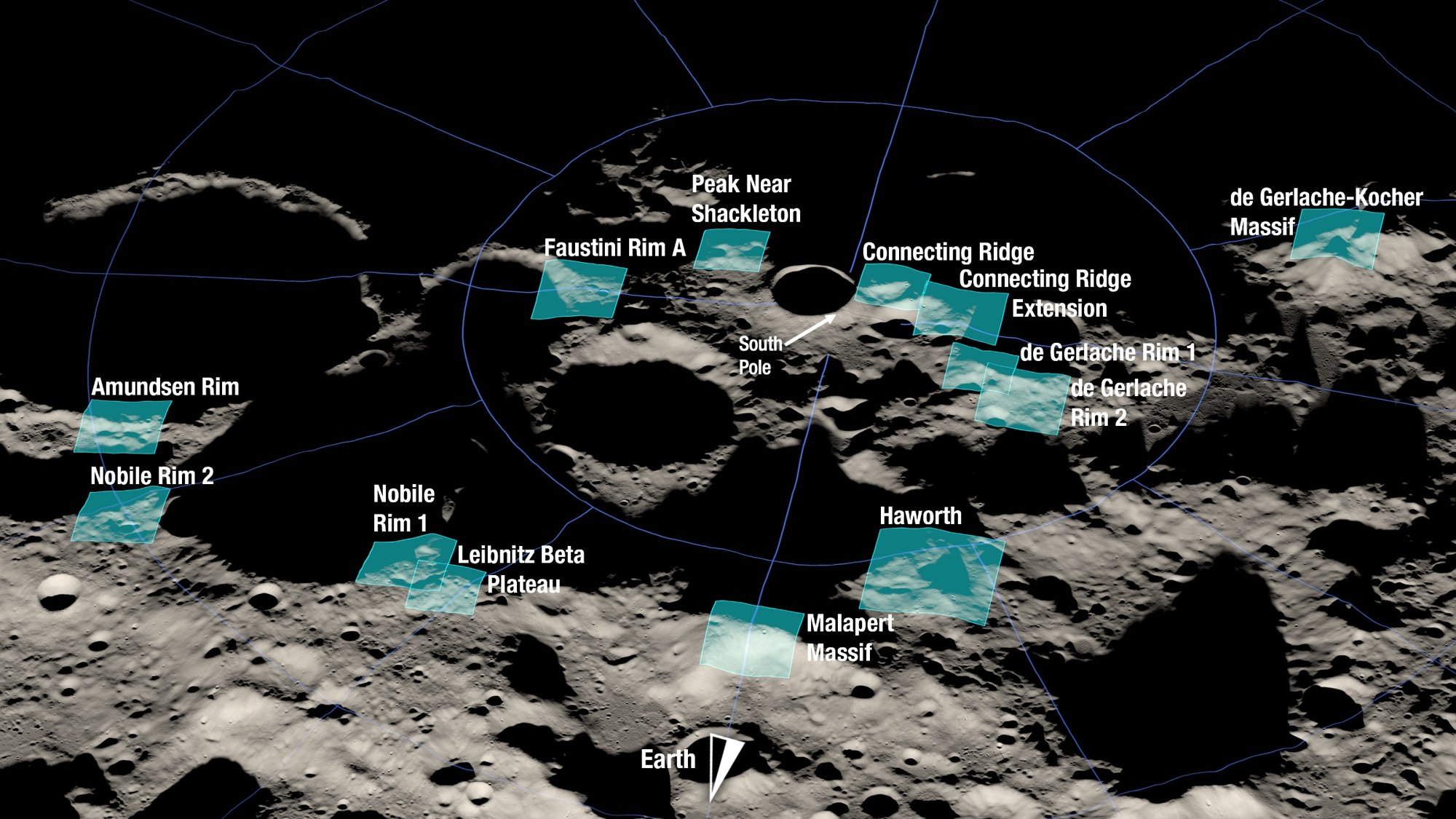
Building on Artemis II, this mission aims to land astronauts, including the first woman, near the Moon's South Pole, a region of scientific interest for its permanently shadowed craters that may hold water ice critical for sustained exploration.

SunRISE
Upcoming
Heliophysics

SunRISE

Summer 2026

Study solar radio bursts and space weather

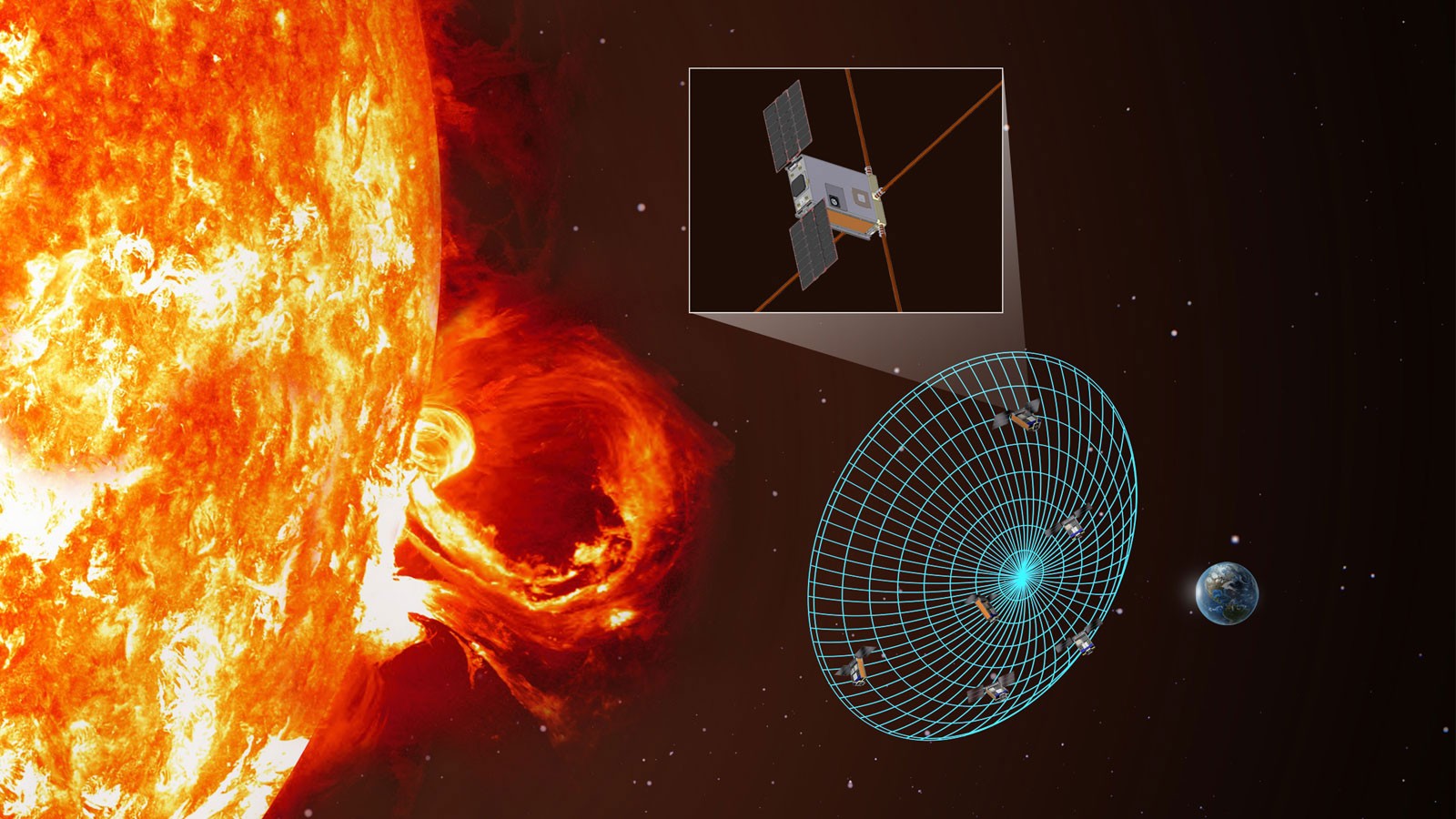
The Sun Radio Interferometer Space Experiment is a constellation of six small CubeSats that will fly in formation to act as a single large radio telescope, mapping how the Sun generates and releases giant space weather storms.

IMAP
Active
Heliophysics

IMAP

Launched Sep 24, 2025

Map the boundaries of the heliosphere

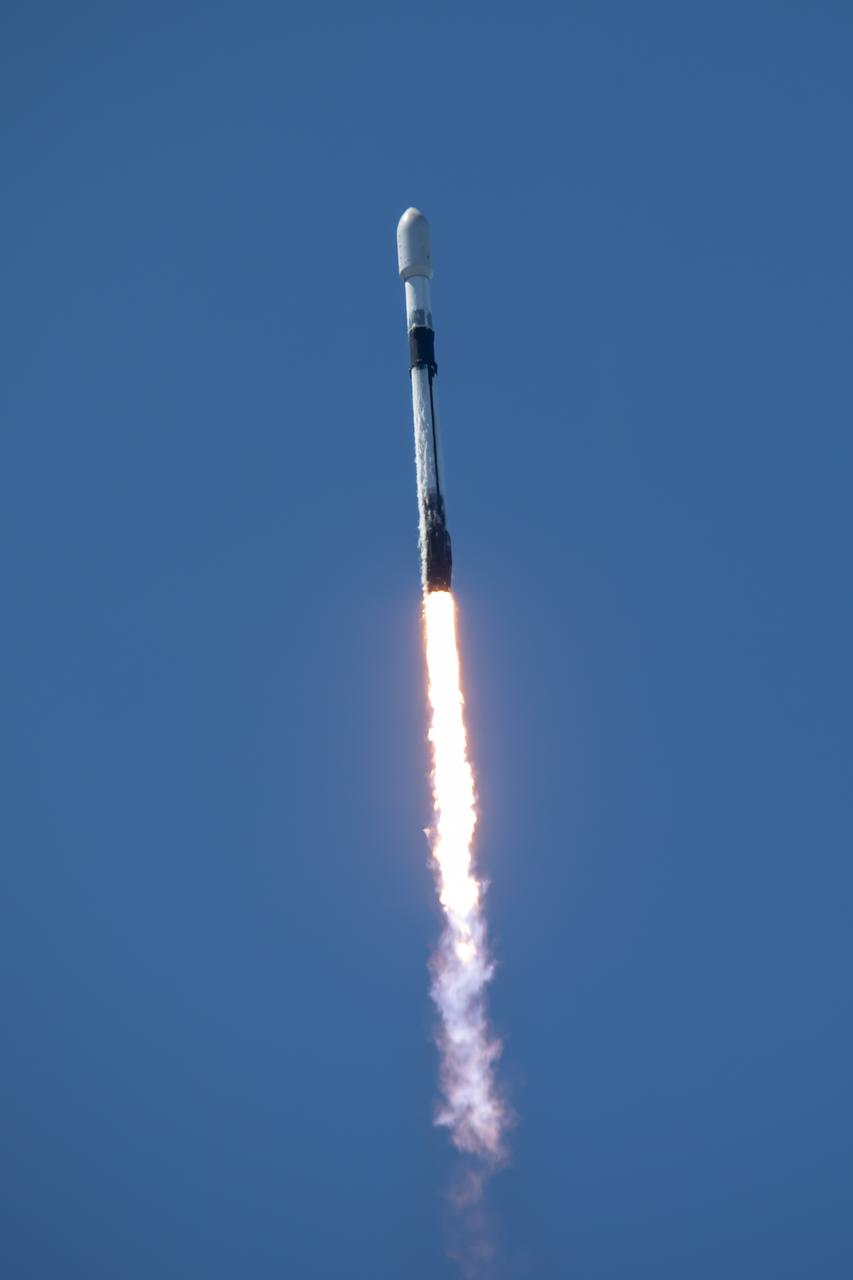
The Interstellar Mapping and Acceleration Probe uses 10 instruments to study how the solar wind interacts with interstellar space. Stationed at Lagrange point 1, it provides ~30 minute advance warnings of space weather and began its two year primary science mission on February 1, 2026.

TRACERS
Active
Heliophysics

TRACERS

Launched Jul 23, 2025

Study magnetic reconnection in Earth's magnetosphere

The Tandem Reconnection and Cusp Electrodynamics Reconnaissance Satellites are twin spacecraft studying magnetic reconnection, where the Sun's magnetic field meets Earth's magnetosphere. Their data improves understanding of space weather effects on power grids, satellites, and astronauts.

Europa Clipper
Active
Planetary Science

Europa Clipper

Launched 2024 · Jupiter arrival 2030

Investigate the habitability of Jupiter's moon Europa

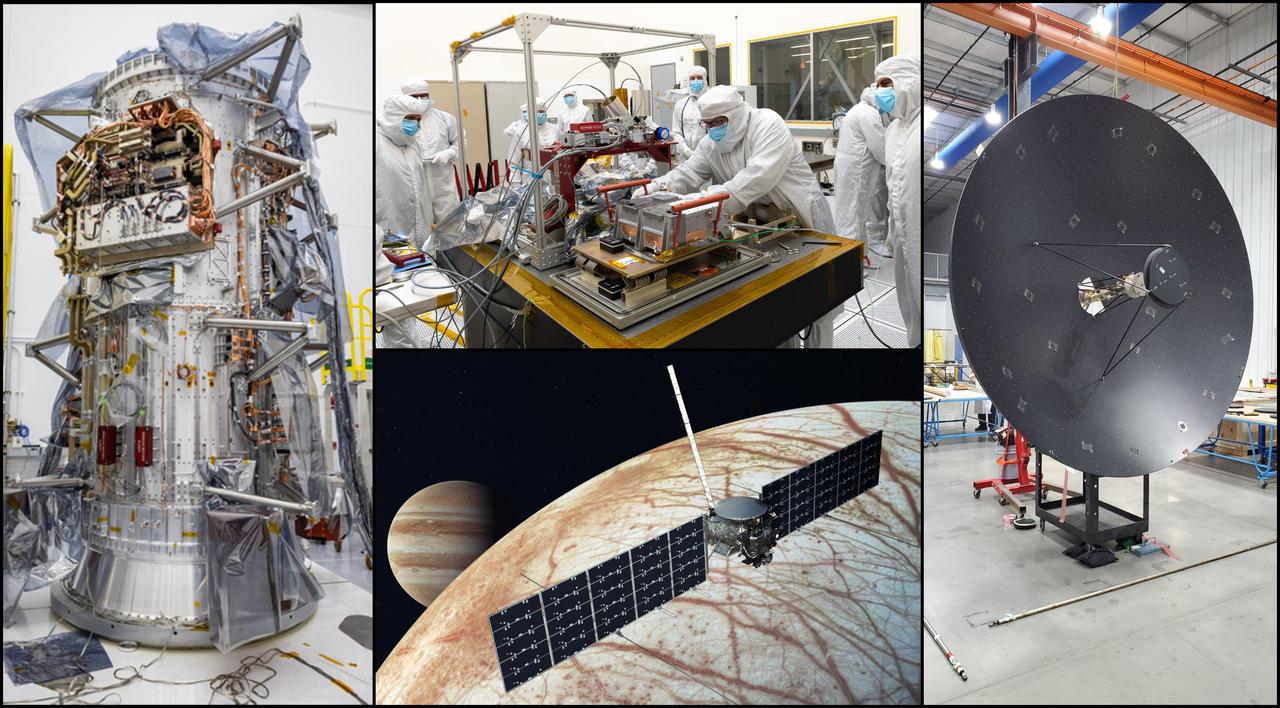
NASA's largest spacecraft built for a planetary mission is cruising toward Jupiter, where it will perform dozens of close flybys of the icy moon Europa. Its instruments will probe the moon's subsurface ocean to assess whether it could support life.